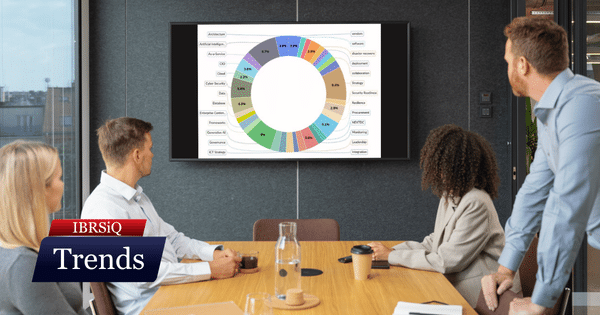
IBRSiQ June 2026
In June, executives are balancing rapid AI integration and governance with robust, hybrid disaster recovery to maintain operational resilience during digital transformation.


In June, executives are balancing rapid AI integration and governance with robust, hybrid disaster recovery to maintain operational resilience during digital transformation.

Traditional governance fails for agentic coding tools. CIOs must shift from policy-driven compliance to a least-agency architecture with clear task boundaries.
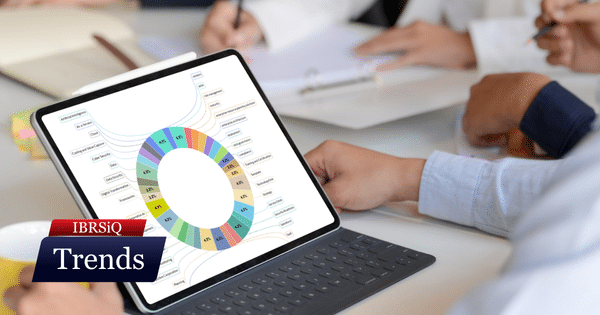
In April, rising ICT costs and AI complexity drive a shift toward data-led licensing, risk-based funding, and federated governance to ensure value.

Microsoft pivots from AI hype to workflow integration via its three-layer platform, yet adoption faces hurdles regarding governance and cost.
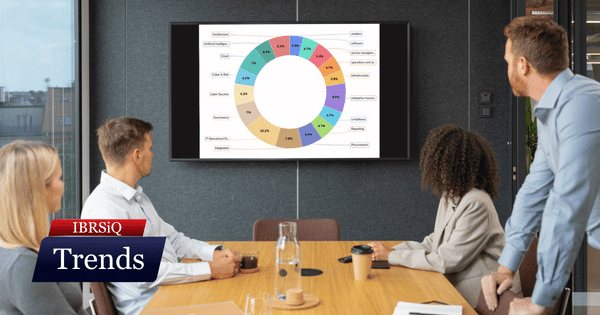
In March, clients are prioritising AI-driven operational efficiency, cyber maturity, and ERP optimisation while ensuring ICT investments deliver measurable, strategic business value.

February focuses on pivoting from adoption to pragmatics, prioritising operational excellence, rigorous AI governance, and cost-optimised infrastructure to secure tangible value.

2026 will be a watershed year as AI efforts shift from experimentation to value-based investments. As the technology continues to evolve, CIOs will need to pivot and ensure that they are aligned with the changing board and executive positions.
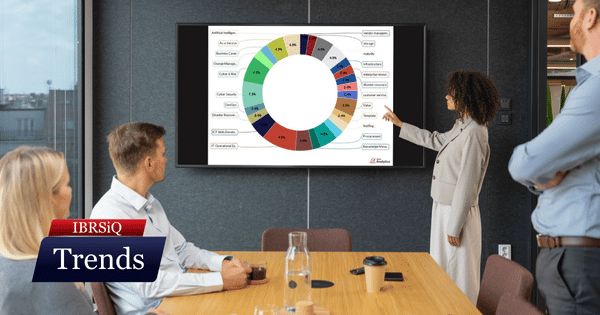
December’s focus shifts toward pragmatic governance, balancing AI adoption and cyber resilience by simplifying processes and prioritising foundational security controls.

Adobe’s $1.9bn Semrush acquisition integrates SEO and GEO into the creative workflow, ensuring brands remain visible in AI-driven search results.